

Introduction
Managing land for the first time can feel challenging, but with the right approach, it can become a rewarding experience. Whether starting with a small plot or planning to expand into a larger space, proper planning and management are key to success. For those managing land for beginners, it is important to focus on understanding the land, using resources wisely, and growing step by step.
Understanding Your Land
The first step in managing land is to understand its condition. This includes checking the soil type, water availability, sunlight, and climate. Different soils are suitable for different crops, so it is important to understand which ones grow best. Testing the soil can help identify its quality and nutrient levels. Beginners should also watch how water moves across the land to prevent issues such as flooding or dry areas.
Starting Small and Planning Ahead
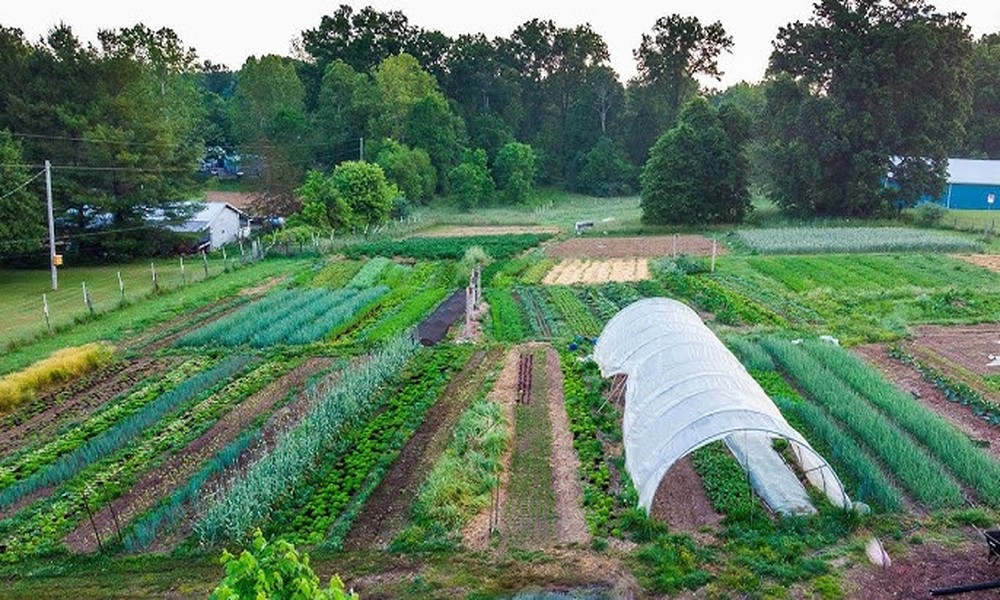
For beginners, it is always better to start with a small plot. Managing a smaller area helps in learning basic skills without feeling overwhelmed. It allows new farmers to experiment with different crops and techniques. At the same time, having a long-term plan is important. Planning helps in deciding how to expand and use the land more efficiently in the future.
Efficient Use of Space
Making the best use of available space is important, especially when working with small plots. Practices like proper spacing, crop rotation, and intercropping can improve productivity. These methods help maintain soil health and reduce the risk of pests and diseases. As the land area increases, dividing it into sections for different purposes can make management easier.
Water and Resource Management
Water is one of the most important resources in land management. Beginners should focus on saving and using water wisely. Simple methods like drip irrigation or collecting rainwater can be very helpful. It is also important to use fertilisers and other inputs carefully to avoid waste and protect the environment.
Gradual Expansion
As experience grows, expanding from a small plot to a larger area becomes easier. However, expansion should be done gradually. Increasing land size step by step helps in managing resources, labour, and costs effectively. Beginners should avoid taking on too much at once, as it can lead to stress and financial loss.
Maintaining and Improving the Land
Regular care is necessary to keep the land productive. This includes removing weeds, improving soil fertility, and protecting crops from pests. Adding organic matter like compost can improve soil quality over time. Healthy land leads to better crop growth and long-term benefits.
Conclusion
Managing land as a beginner requires patience, planning, and continuous learning. Starting with a small plot and gradually expanding allows for better control and understanding. By focusing on soil health, efficient resource use, and proper planning, beginners can successfully manage land of any size. With time and effort, even a small plot can grow into a productive and sustainable space.
