
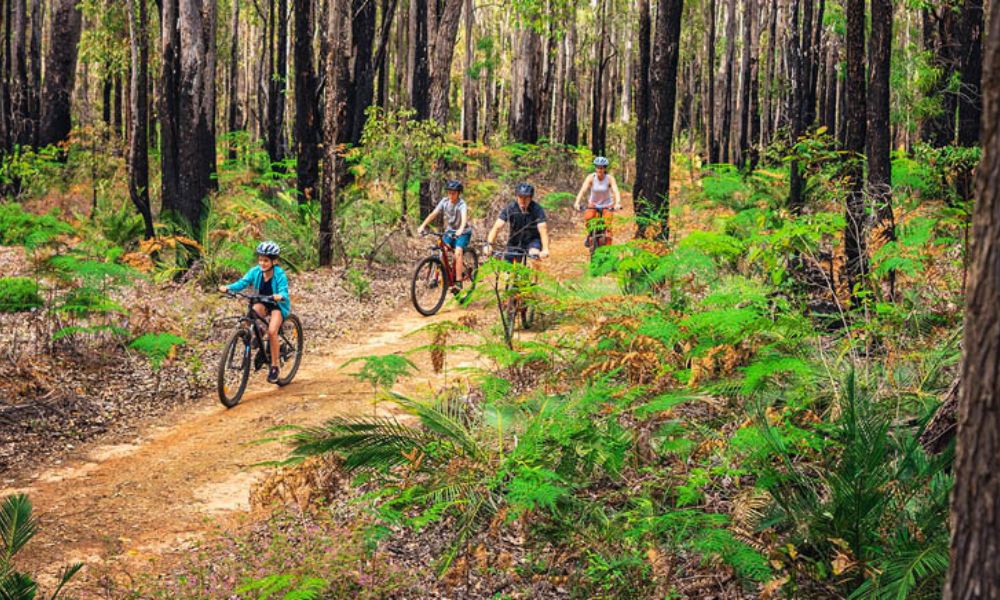

Every mountain biker remembers their first season. The excitement. The gear rabbit hole. The slightly unearned confidence after two good rides. And, usually, at least one moment where you stand on the side of a trail thinking, “Oh… I did not think this through.”
That’s part of the fun. But it’s also where most of the best lessons come from — the ones no beginner guide really prepares you for.
After years of riding trails across Canada — from flowy singletrack to rooty, rain-soaked nonsense that humbles you fast — there are a handful of things experienced riders almost universally wish they’d known sooner. Not the obvious stuff like “bring water” or “wear a helmet.” The practical, learned-the-hard-way details that make the sport more enjoyable.
If you’re heading into your first season, or even your second, consider this a friendly shortcut.
1. Getting to the Trail Is Half the Experience
Beginners tend to focus entirely on the ride itself. Fair enough. But seasoned riders know the day starts before the tires touch dirt.
How you transport your bike matters more than most people expect. Early on, a lot of us stuff bikes into vehicles, lean them awkwardly, or tie them down in ways that technically work but feel sketchy at highway speed.
Eventually, you learn that a proper setup, like including solid bike racks, turns trail days from a logistical hassle into something smooth and repeatable. When loading and unloading are easy, you ride more. When it’s annoying, you quietly talk yourself out of it.
That’s not laziness. That’s human nature.
2. Fitness Helps — But Technique Matters More Than You Think
Most beginners assume mountain biking is about leg strength and cardio. And yes, those help. But technique is what keeps you upright and confident.
Learning how to:
- Look ahead instead of at your front tire
- Let the bike move under you
- Brake beforecorners, not in them
- Stay loose instead of stiff
These things make a bigger difference than adding another ride per week.
Canada’s trails are especially good at teaching this lesson quickly. Roots don’t care how strong you are. Wet rock slabs don’t respond to enthusiasm. Smoothness wins.
3. Trails Ride Very Differently Depending on Where You Are
This one surprises a lot of new riders.
A “blue” trail in southern Ontario doesn’t feel the same as a “blue” in B.C. or Quebec. Even within the same province, soil type, moisture, and maintenance styles change everything.
Trail networks across Canada vary wildly, which is part of what makes riding here so good — but also why humility is useful early on.
Trailforks, which started in Canada, is an excellent way to understand trail difficulty and conditions before you ride.
Reading recent reports can save you from biting off more than you meant to chew.
4. Weather Is Not a Minor Detail
Canadian riders learn this fast.
Weather affects:
- Trail grip
- Braking distance
- Tire pressure choices
- How exhausting a ride feels
A trail that’s playful and fast in dry conditions can become a slow-motion lesson in patience after rain. That doesn’t mean you shouldn’t ride — it just means you should adjust expectations.
Experienced riders don’t cancel rides at the first sign of weather. They adapt. Different layers. Different tires. Different trails.
And sometimes, they just accept that today’s ride is about survival and laughs, not speed.
5. Expensive Gear Doesn’t Replace Time on the Bike
This one stings a bit.
It’s easy to think the next upgrade will unlock confidence. Better suspension. Lighter wheels. More aggressive tires.
Some upgrades help. Many don’t matter as much as you hope.
What always matters is time on the bike. Learning how your bike reacts. Feeling how traction changes. Understanding when to push and when to back off.
Most experienced riders will tell you they could happily ride a mid-range bike well — because skill carries over. Gear doesn’t.
6. You Don’t Need to Ride Everything
Beginners often feel pressure to clear every feature. Every drop. Every rock garden. Especially when riding with others.
Here’s the truth: walking a feature isn’t failure. It’s judgment.
Experienced riders skip lines all the time. Sometimes because they’re tired. Sometimes because conditions aren’t right. Sometimes because it’s just not worth the risk today.
Longevity matters. You don’t get better by being injured.
7. Trail Etiquette Isn’t Optional
This is a big one, especially as mountain biking grows across Canada.
Yielding properly, respecting closures, staying on designated trails — these aren’t “nice to haves.” They’re what keep trails open.
The International Mountain Bicycling Association does a great job outlining why etiquette matters and how to ride responsibly.
Experienced riders know that access is fragile. Good behaviour protects it.
8. Recovery Is Part of Riding
Early on, many riders think soreness means progress. To a point, sure. But consistent riding requires recovery.
Stretching. Eating properly. Sleeping. Taking rest days when needed.
Mountain biking asks a lot of your body — especially stabilizing muscles you didn’t know existed. Ignoring recovery usually means fewer rides, not more.
9. Community Makes the Sport Better
Mountain biking can be solitary, and that’s part of its appeal. But community is where growth happens.
Riding with others:
- Exposes you to new trails
- Improves your technique through observation
- Makes tough days more fun
- Keeps motivation high
Local clubs, trail days, and group rides are worth seeking out. They’re also how many Canadian trail systems exist in the first place.
Parks Canada highlights how volunteer groups and local riders play a role in maintaining recreational access.
You don’t have to be a social butterfly — just open to shared experiences.
Now You Know What They Wish They Knew
Every experienced mountain biker carries a mental list of things they wish they’d known sooner. Not because they regret learning the hard way — but because those lessons would’ve made the early days smoother, safer, and more fun.
The good news is, there’s no rush.
Your first season doesn’t need to be perfect. It just needs to be consistent, curious, and a little humble. Ride often. Learn slowly. Laugh when things go sideways.
And remember: the goal isn’t to become an expert overnight. It’s to enjoy the process enough that you’re still riding years from now.
That’s when it really gets good.
