
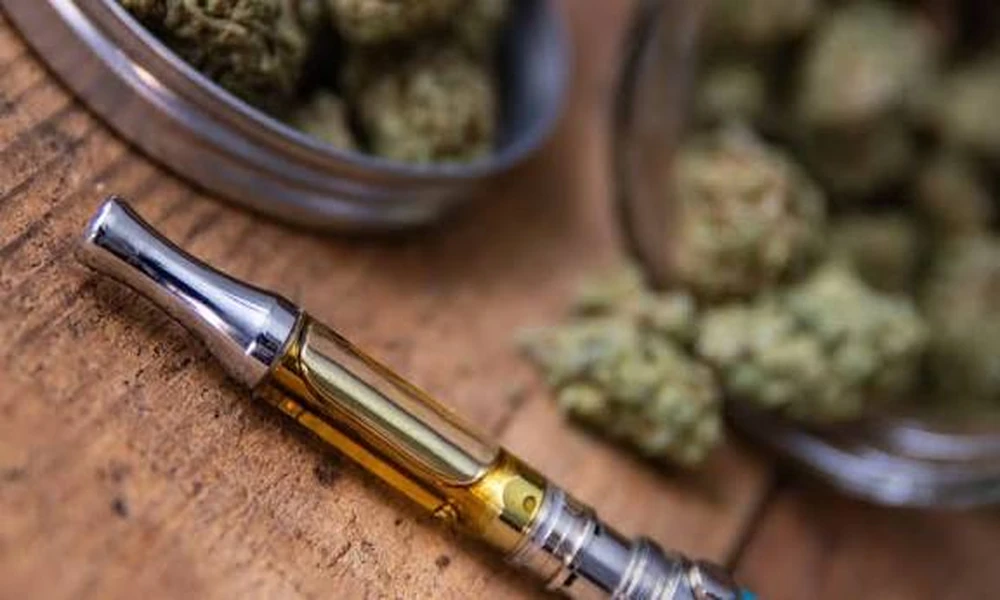

Terpene profiles shape a THCA vape’s aroma completely, since these volatile compounds create every scent note a strain carries. Each blend of terpenes, present in tiny percentages yet remarkably powerful, defines the aromatic character users notice the moment a package opens. Products ranked among the top thca vapes typically preserve these profiles carefully through extraction and formulation, since aroma quality often predicts overall experience more reliably than potency numbers alone. Myrcene brings earthy depth, limonene contributes citrus brightness, pinene adds a sharp forest note, and caryophyllene rounds things out with peppery warmth. Each strain combines these building blocks in unique ratios, creating aromatic signatures as distinct as any fingerprint found in nature.
Profile preservation methods
Keeping terpenes intact from plant to cartridge demands care at every production stage, since these compounds evaporate readily and degrade under stress. Cold extraction techniques protect volatile compounds that heat-based processing would drive off within minutes of starting. Fresh frozen material captures aromatic content at harvest peak, locking in delicate top notes that conventional drying gradually claims before extraction even begins.
Sealed low-temperature storage between production stages matters just as much, preventing the slow evaporation that occurs whenever formulation work pauses. Producers who invest in these steps deliver cartridges smelling remarkably close to the source flower they came from, while shortcuts at any single stage flatten the profile noticeably by the time products finally reach users. Careful handling here costs more effort during production, yet the aromatic payoff shows up in every draw afterwards.
Strain expression differences
Each strain expresses its own aromatic direction through the terpene ratio it carries, which is why the range across the category spans further than many newcomers expect. Sampling widely reveals just how distinct these signatures become. Indica-leaning varieties often present deep, musky profiles built around myrcene dominance with sweet undertones threading quietly through the base. Sativa-leaning options frequently lean bright and sharp, stacking citrus and pine notes into energetic aromatic combinations that announce themselves immediately. Hybrid profiles blend these directions unpredictably, sometimes producing entirely novel scent characters that neither parent strain suggests on its own.
Reading a terpene panel before purchase reveals this character well in advance. Lab reports listing individual terpene percentages let experienced users predict aroma and even draw texture with surprising accuracy, turning simple documentation into a genuine preview of the session waiting inside each cartridge.
Aroma and flavor connection
Scent and taste operate as partners rather than separate experiences during any session. Retronasal perception carries aromatic compounds from the throat back through the nasal passages during exhale, meaning terpenes shape flavour perception just as strongly as they shape the initial smell rising from the mouthpiece. Rich profiles translate into layered, evolving flavour across a full session, while thin terpene content leaves vapour tasting flat regardless of cannabinoid strength behind it.
Temperature settings influence this expression as well, since gentle heat releases delicate notes that aggressive wattage burns past entirely before anyone can register them. Users chasing full aromatic character generally favour moderate settings that let each compound express itself in sequence rather than arriving all at once in a single overwhelming wave.
Terpene profiles function as the personality of every cartridge, deciding how it smells, tastes and how memorable each session becomes in the end. Products preserving these compounds faithfully reward the attention, offering aromatic depth that separates carefully made extracts from everything else sharing shelf space today.
